
For many manufacturers, lot tracking becomes a priority only after something goes wrong. A customer complaint, failed audit, product defect, or material recall can quickly expose the operational risks created by poor traceability.
As supply chains grow more complex and regulatory expectations increase, manufacturers need stronger visibility into how materials move throughout production and warehouse operations. Modern ERP software for manufacturers increasingly includes lot tracking and integrated warehouse management capabilities to help organizations improve operational control, compliance, and product traceability.
What Is Lot Tracking?
Lot tracking allows manufacturers to assign unique identifiers to groups of materials or products as they move throughout inventory and production workflows.
This creates traceability records that help manufacturers identify:
- Where materials originated
- Which products used specific materials
- When products were produced
- Which customers received affected inventory
- How materials moved throughout operations
Lot tracking is particularly important in industries where quality control and compliance are critical.
The Risks of Poor Traceability
Without proper lot tracking, manufacturers may struggle to respond effectively when problems occur. Common risks include:
Costly Product Recalls
Without clear traceability, manufacturers may need to recall large volumes of inventory instead of isolating only affected lots. This increases:
- Financial losses
- Operational disruption
- Customer dissatisfaction
- Brand damage
Compliance Failures
Many regulated industries require detailed traceability documentation. Manufacturers that cannot provide accurate production and inventory records may face:
- Failed audits
- Regulatory penalties
- Lost certifications
- Customer compliance issues
Quality Investigation Challenges
When defects occur, manufacturers need visibility into:
- Raw materials
- Suppliers
- Production runs
- Warehouse movement
- Shipping history
Without integrated warehouse traceability, investigations become slower and less accurate.
Excess Scrap and Waste
Poor lot visibility can force manufacturers to quarantine or scrap broader inventory quantities than necessary.
Strong traceability helps reduce unnecessary waste while improving inventory control.
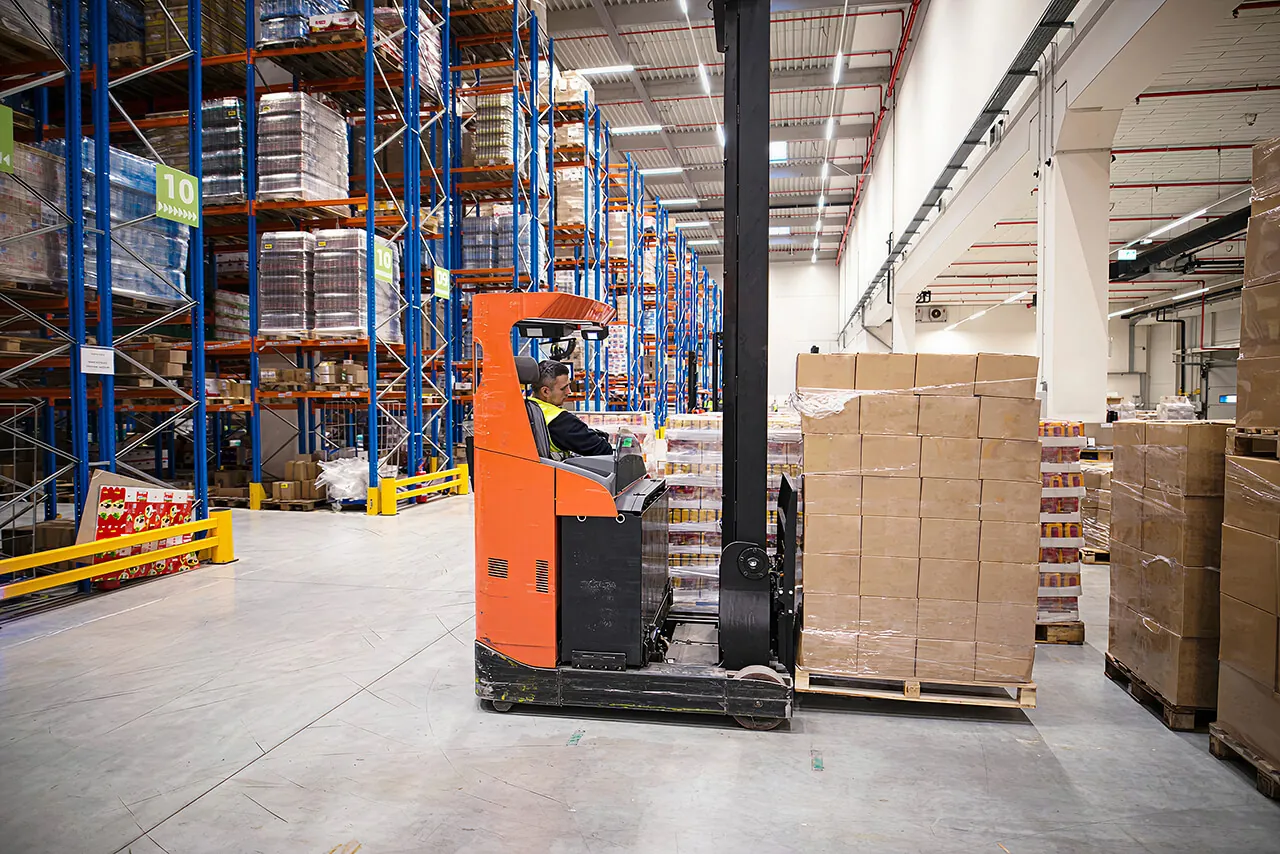
Why Warehouse Management Matters for Lot Tracking
Lot tracking is not only a production issue—it is also a warehouse management challenge.
Manufacturers need visibility into how lot-controlled inventory moves throughout warehouse operations.
Integrated warehouse management helps manufacturers:
- Track lot-controlled inventory by location
- Maintain inventory segregation
- Improve picking accuracy
- Support FIFO and FEFO workflows
- Improve inventory accountability
Cloud Manufacturing Software Improves Traceability
Cloud manufacturing software gives manufacturers centralized visibility into production, inventory, and warehouse workflows.
Instead of relying on disconnected spreadsheets or manual tracking, manufacturers can maintain digital traceability records across operations.
This helps organizations:
- Improve recall readiness
- Simplify audits
- Increase inventory visibility
- Reduce manual documentation
- Improve operational responsiveness
Cloud-based ERP software for manufacturers also improves collaboration between quality, warehouse, production, and purchasing teams.
Lot Tracking vs Serialization
Many manufacturers eventually expand from lot tracking into serialization.
While both capabilities support traceability, they serve different operational purposes.
Lot Tracking
Tracks groups or batches of materials and products.
Serialization
Assigns unique serial numbers to individual products or components.
Serialization provides even greater traceability and is increasingly important in industries such as:
- Aerospace
- Medical devices
- Defense manufacturing
- Industrial equipment
- Electronics manufacturing
Manufacturers adopting modern warehouse management software and integrated ERP platforms are better positioned to support future serialization initiatives.
AI Manufacturing Software and Traceability
AI manufacturing software is beginning to improve traceability workflows even further.
AI-powered operational insights may help manufacturers:
- Detect unusual inventory activity
- Identify quality anomalies faster
- Improve recall analysis
- Predict supply chain disruptions
- Improve inventory planning
As manufacturing operations become increasingly data-driven, AI will likely play a larger role in quality and traceability management.
Why Traceability Is Becoming a Competitive Advantage
Customers increasingly expect manufacturers to provide detailed traceability information.
Manufacturers that can quickly demonstrate:
- Product genealogy
- Material origins
- Inventory history
- Quality documentation
Strong traceability also helps manufacturers improve operational discipline while reducing risk exposure.
Conclusion
Poor lot tracking creates operational, financial, and compliance risks that manufacturers can no longer afford to ignore.
Modern cloud manufacturing software with integrated warehouse management helps manufacturers build stronger traceability, improve inventory control, and prepare for future serialization requirements.
Manufacturers that invest in warehouse traceability today will be better positioned to manage quality, compliance, and operational complexity tomorrow.
Want to strengthen manufacturing traceability and warehouse visibility? Schedule a demo with StartProto to learn how integrated lot tracking and warehouse management can improve operational control.

Unlock the potential of AI manufacturing
Blogs & Resources
Industry trends, manufacturing business tips, and more

Ready to get started?
We'll make it easy for you — pick the time that works best for you and we'll send an invite right to your calendar.